

Alexis Kagame: Scholar, Priest, and Architect of Rwandan Intellectual Identity
Alexis Kagame (1912–1981) occupies a singular place in the intellectual and cultural history of Rwanda and the Great Lakes region.
Alexis Kagame (1912–1981) occupies a singular place in the intellectual and cultural history of Rwanda and the Great Lakes region.

The dynastic esoteric code, known in Kinyarwanda as ubwiru, occupies a singular place within the corpus of Rwanda’s oral literature.
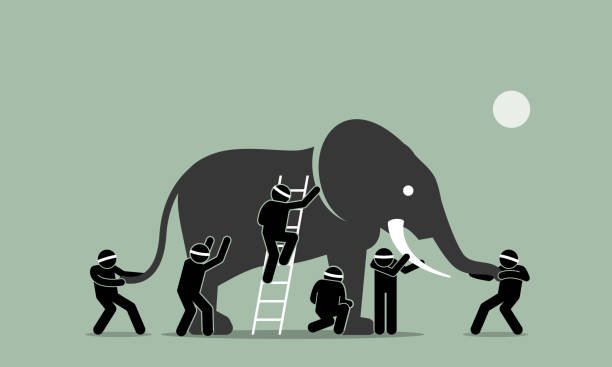
Perception development is a foundational aspect of human growth, encompassing the processes by which individuals detect, interpret, and respond to

Explore how cultural influences on perception shape visual interpretation, emotion recognition, and sensory categorization. Learn how environmental exposure and linguistic structures affect perceptual habits and cognitive processing.

Cognitive biases in perception are systematic, predictable deviations from normative standards of rational judgment that arise from the brain’s reliance on heuristics

Illusions and perceptual errors expose the limitations and biases inherent in human cognition, revealing that perception is not a direct reflection of reality but a constructed interpretation shaped by context, experience, and culture

Visual illusions are among the most persuasive demonstrations that perception is not a passive, veridical recording of the external world
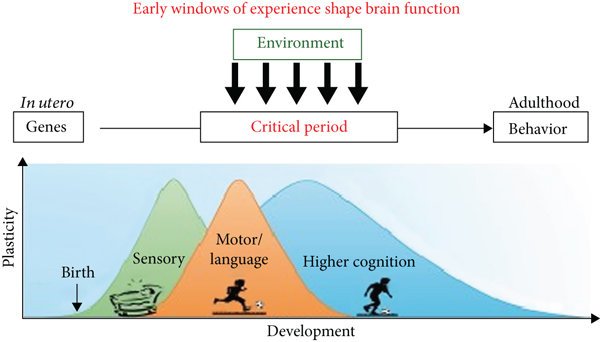
Critical periods are biologically determined windows during which the nervous system is especially sensitive to environmental input.

The human perceptual system exemplifies a striking capacity for adaptation in response to changes in the sensory environment. This adaptability

Perceptual development and neuroplasticity constitute foundational domains within cognitive and developmental neuroscience, illuminating how humans detect, interpret, and act upon
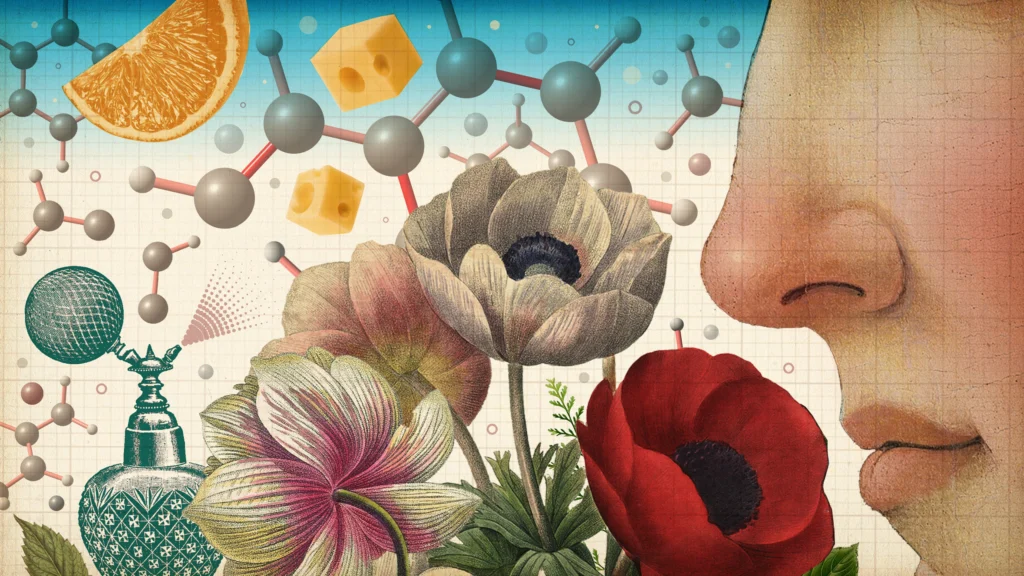
Explore the fascinating variations in olfactory experiences, from cultural influences and genetic differences to emotional associations and environmental impacts. This article delves into how smell shapes human perception across diverse contexts.

Taste and flavor are central to the human experience of food, influencing nutrition, culture, and behavior. The sensory processes that